Airports · Aerodromes

Airport line marking

Runway, taxiway, apron and helipad markings, plus the car parks and roads out front. Marked to CASA's Part 139 standard, quoted free.

Airside and landside

Both sides of the fence, one crew

Airports run on painted lines. Pilots follow them, ground crews work between them, and the car park out front still has to meet the same standards as any other.

We mark a lot of airport work, from runways and aprons to helipads and kerbside zones. Jump to the work you need:

Airside rules

Marked to the aerodrome's rules

Airside markings follow CASA's Part 139 Manual of Standards, and every job runs to the aerodrome's own works and access procedures.

  • Runway markings in white, taxiway markings in yellow
  • Work staged around aircraft movements
  • Night and weekend windows by arrangement
  • Landside marked to AS/NZS 2890.1 and AS 1742
Four jobs, one crew

What we mark at airports

Quoted from your drawings, confirmed on site, and planned around the aerodrome's operations.

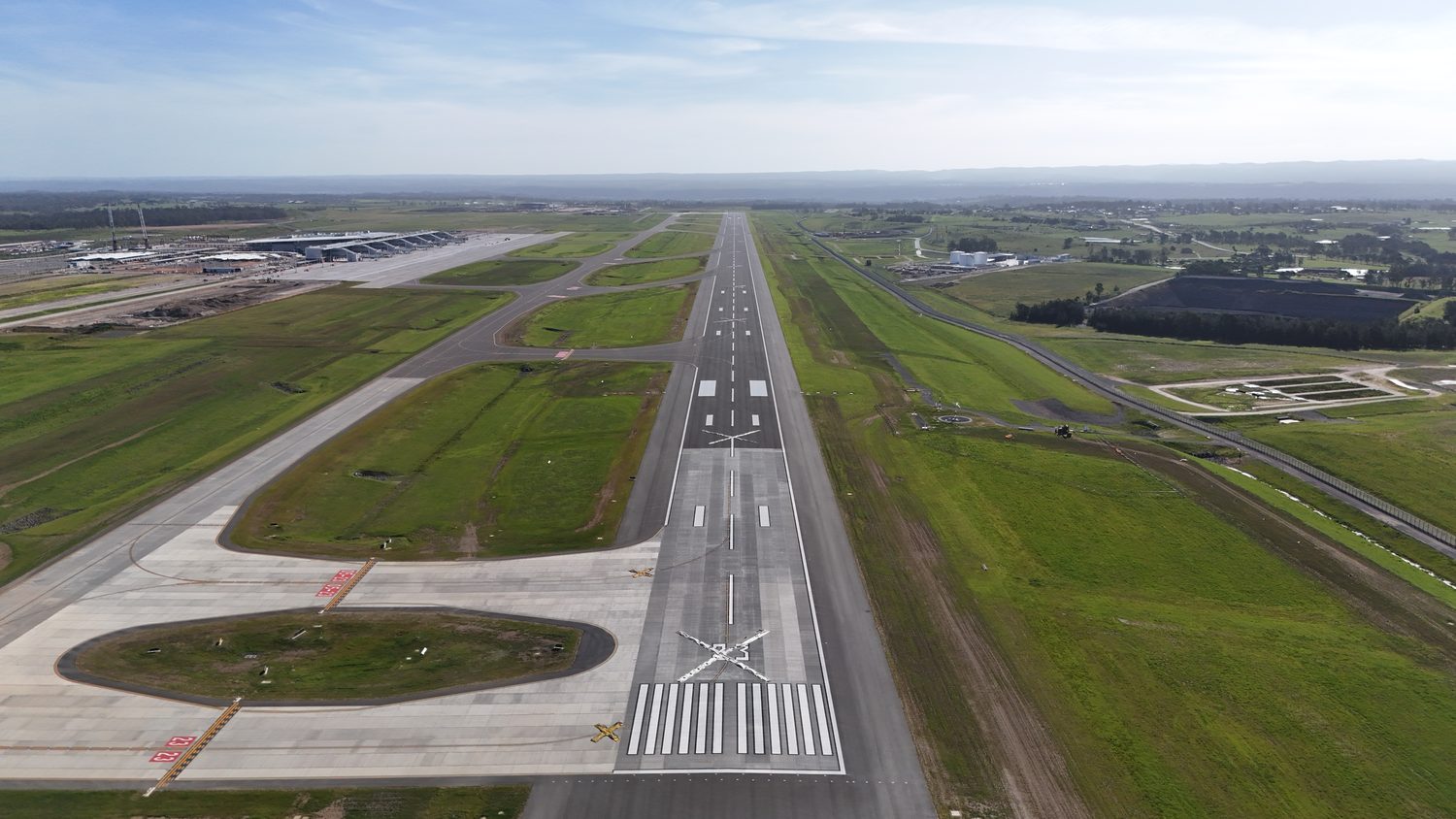
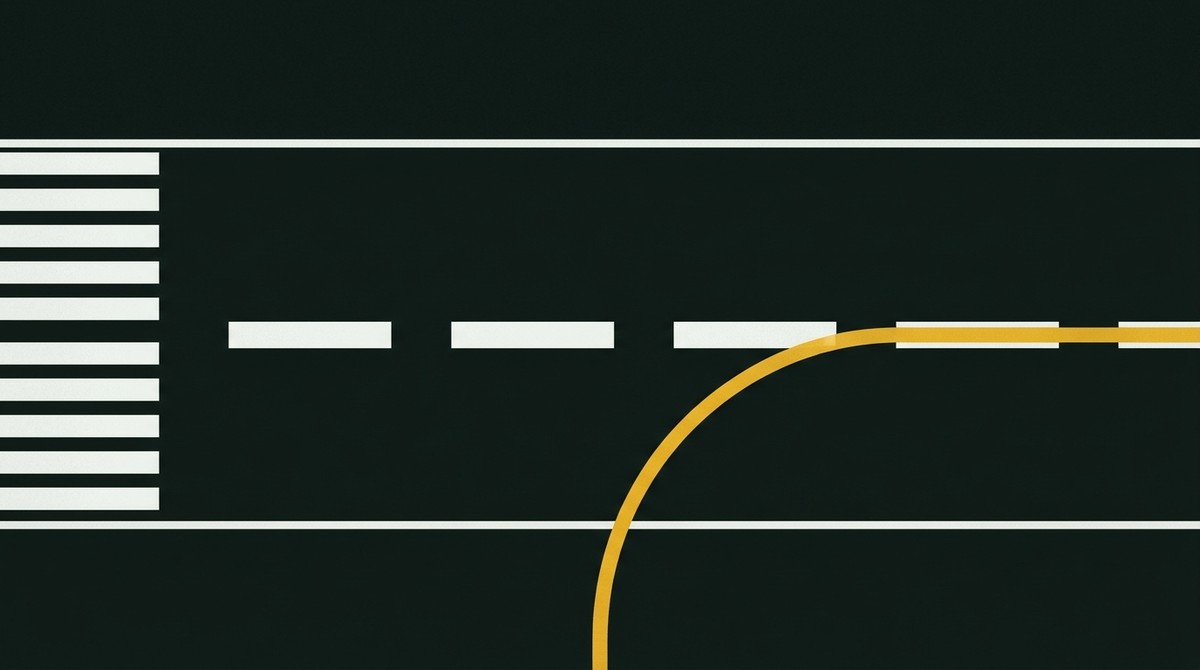
Runway centreline of broad white dashes with white threshold stripes and a yellow taxiway centreline curving in to join it

Runway and taxiway markings

Runway markings are white. Taxiway markings are yellow. The contrast is deliberate, so a pilot can never confuse the two, and the rules for both sit in CASA's Part 139 Manual of Standards.

We mark centrelines, thresholds, holding positions and edge lines to that standard.
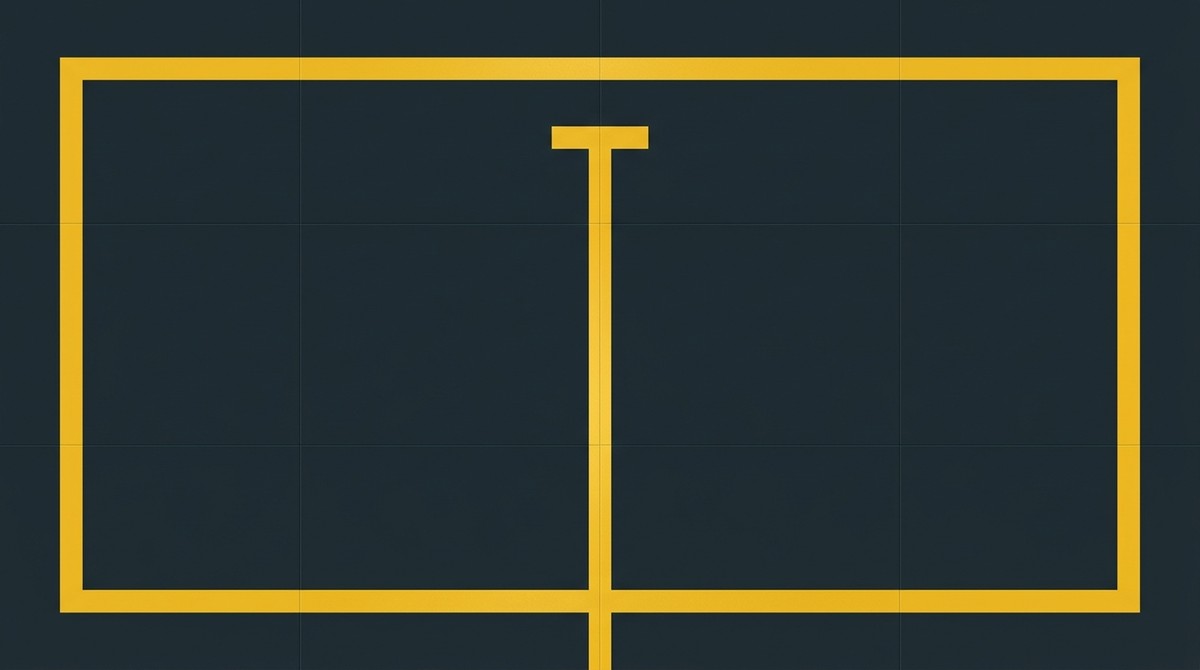
Aircraft stand marked in yellow: a lead-in centreline ending in a T-shaped stop bar inside a stand outline box

Apron and aircraft stands

Aprons are busy working spaces. Lead-in lines, stand outlines and safety lines keep aircraft, fuel trucks and ground crews out of each other's way.

We mark stands and apron lines to the aerodrome's plans.

Helipad marking: a large white H inside an unbroken white circle with a broken square perimeter line

Helipad markings

Helipads have their own marking scheme, from the H in the middle to the perimeter lines. We mark them in line with CASA's heliport guidance.

That covers hospital pads, private pads and landing sites on stations and work sites.

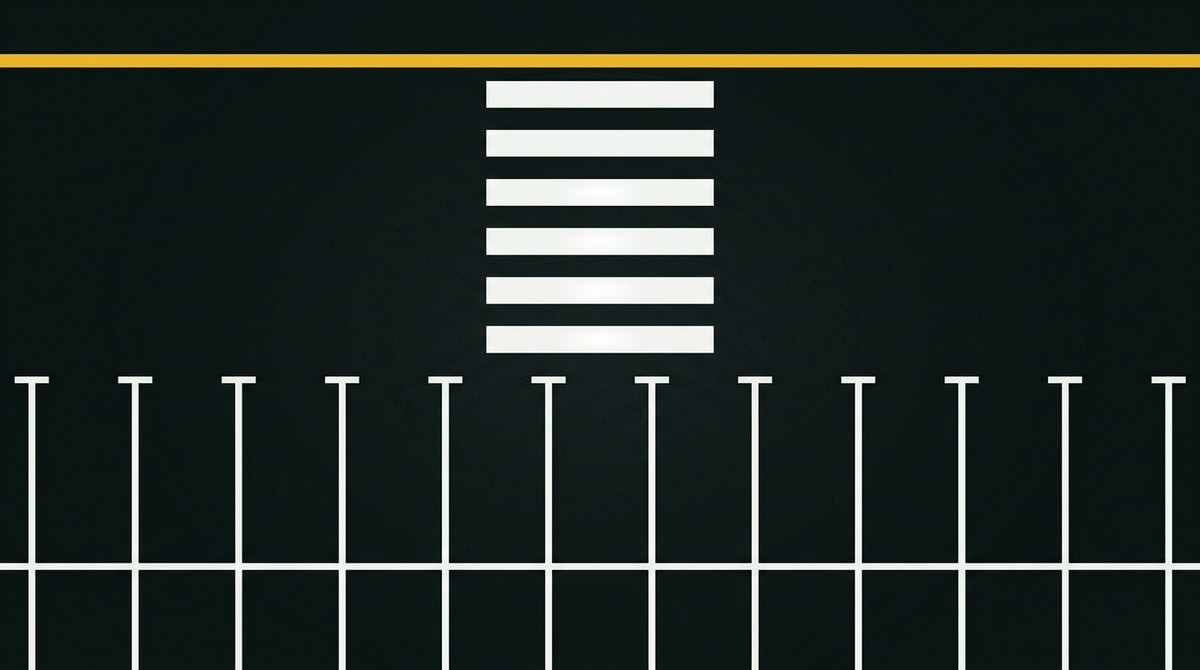
Airport kerbside with white parking bays, a solid yellow no-stopping line along the kerb and a white zebra crossing

Airport car parks and roads

The public side of an airport is home ground for us. Car parks are laid out to AS/NZS 2890.1 and roadways follow AS 1742.

Pick-up zones, bus bays, walkways and kerbside lines included.

Minimal disruption

Painted while the gates are quiet

An apron cannot stop working for paint. Airport marking gets done in the windows between movements, and that often means night work.

We already do night and weekend work by arrangement, so an overnight closure window is business as usual, not a special request.

Book a site measure
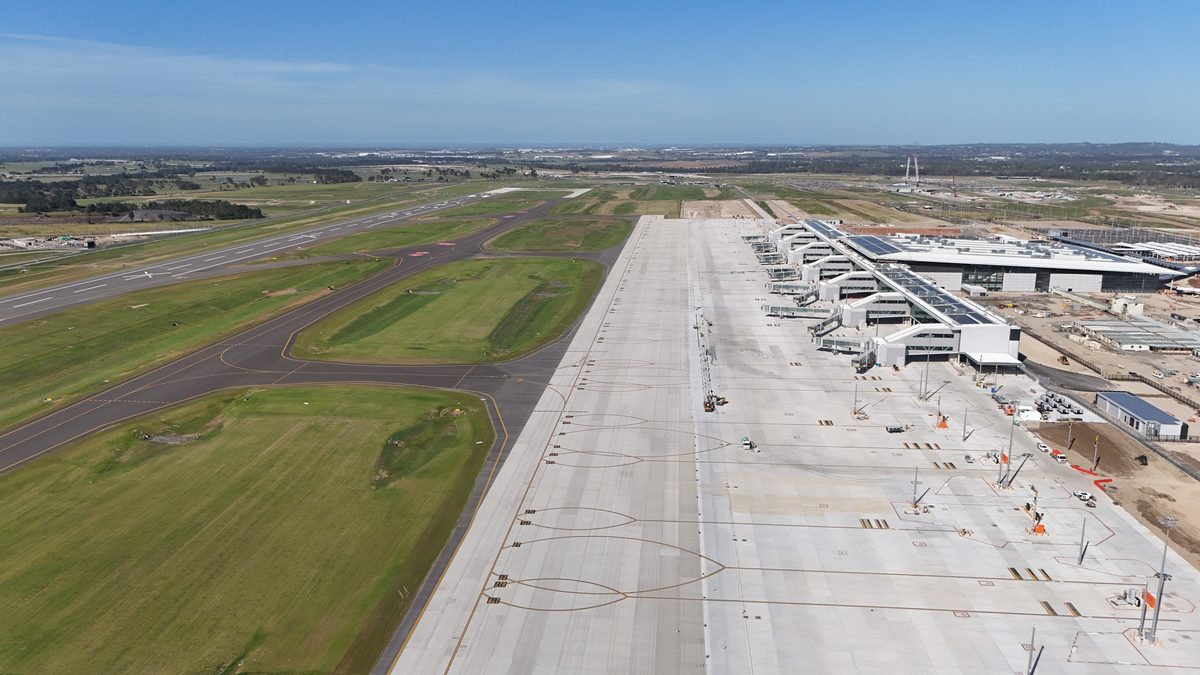
Aerial view of an airport apron with yellow aircraft stand lead-in markings beside a taxiway
Straight answers

Airport marking questions

Can you work around flight operations?

Yes. Airport marking is done when the area is closed to aircraft, which often means working at night. We already do night and weekend work by arrangement, and every airport job is planned around the aerodrome's own works procedures.

What standards do airport markings follow?

Airside markings, meaning runways, taxiways and aprons, follow CASA's Part 139 Manual of Standards. Helipads follow CASA's heliport guidance. Airport car parks and roads follow the same standards as any other site: AS/NZS 2890.1 for parking and AS 1742 for roadways.

Why are runway lines white and taxiway lines yellow?

The contrast is deliberate. White always means runway and yellow always means taxiway, so a pilot can tell at a glance which surface they are on. Getting the colours right is not a style choice, it is part of the standard.

What do you need from us to quote an airport job?

The drawings or a marked-up plan, plus the access requirements for your aerodrome. We quote the marking scope from the plans and confirm it on site, the same as any other job.

Got an airport or airfield job?

Send the drawings through. We quote the marking scope and work around your operations.